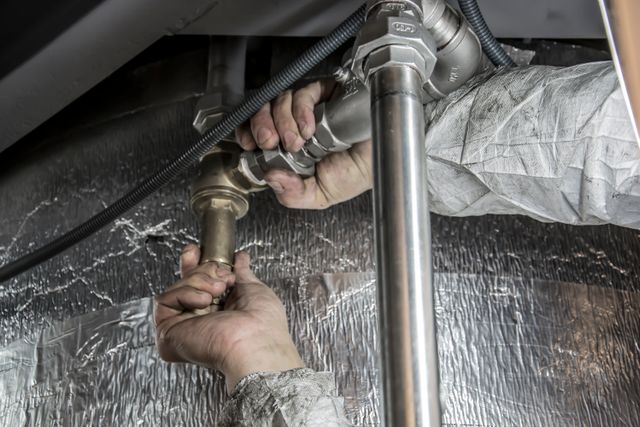
Toilet leaking at base: find where the water starts
Water around the toilet bowl does not always mean the base seal has failed. It can drip from the inlet hose, run down from the cistern or form as condensation on the outside, then pool on the floor. A few minutes of checking usually shows where it starts.
- Dry everything. Wipe the floor and the outside of the bowl until both are dry, so new water shows clearly.
- Check the higher points. Look for drips at the inlet hose and its valve, the cistern and the joint between the cistern and the bowl. Press a dry tissue against each one to spot small drips.
- Flush once and watch. Stay by the toilet after a single flush and note where water first appears.
- Read the result. If water appears only at the base after flushing, the base seal or the outlet joint is the likely source. If it starts higher up, the source is there rather than at the base.
If water keeps trickling into the bowl or the cistern refills on its own, see what to do when a toilet keeps running.
Why a base leak matters
A leak at the base is more than a wet floor. HDB notes that a waterproofing membrane is laid under the toilet floor finishes in its flats, to stop water from leaking into the ceiling of the flat below.
HDB's guide to ceiling leaks says these leaks happen when water from the flat above seeps through the floor slab, usually because of wear and tear of the waterproof membrane and screed. HDB says they are common in older buildings and tend to occur in toilets and bathrooms. Left untreated, a ceiling leak may damage electrical items and cause mould growth, and HDB says neighbours should address a leak promptly.
HDB also says flat owners are responsible for the upkeep of their own flats, including the floor and ceiling slabs. When a leak runs between two flats, the owners arrange the repair together and split the costs.
If your neighbour has noticed a stain, see the guide on a ceiling leak from upstairs.
Who may fix it
Fixing a leak at the base means lifting the toilet pan and fixing it back in place. HDB's plumbing works guidelines say installing, fixing, replacing or removing a toilet pan, and sealing the discharge pipe, must be done by a PUB Licensed Plumber. These works do not need an HDB permit, but they are subject to HDB's technical terms and conditions. When a pan is replaced with the same type (squat with squat, or pedestal with pedestal), removing the vent pipes is not allowed.
PUB says a handyman without a licence may do only simple plumbing works. Its list covers parts of a flushing cistern and clearing a blocked toilet, but not reseating a pan, and HDB lists toilet pan work as work for a PUB Licensed Plumber. So if you have a toilet bowl leaking onto the floor from its base, ask for a licensed plumber rather than a general handyman.
For other jobs around the home, see what needs a licensed plumber, or compare licensed plumbers with their published prices and sources.
What a repair costs
Published toilet repair rates, each linked to its source:
FROM THE HOMEZYPRO DIRECTORY
Published toilet repair rates
For the most common unit (per job), the lowest published toilet repair rates from 11 companies run from S$80 to S$150 per job (middle rate S$90), for one toilet part such as the siphon, valve or flush system. The middle figure is a real published rate, not an average. Each figure is one company's own advertised rate with its conditions, not a quote.
See 11 published toilet repair rates and sources
| Company | Service as listed | Rate | Source |
|---|---|---|---|
| Anytime Plumber.sg | Rectify water discharge into toilet bowl by replacing new siphon | From S$80 per job | anytimeplumber.sg |
| EZ Plumber SG | To rectify water discharge into toilet bowl | S$80 per job | ezplumber.sg |
| SG1 Plumber Singapore | WC Flush Cistern Replacement | S$80 per job | sg1plumber.com |
| Sin Plumbing Singapore | Rectify water discharge into toilet bowl by replacing new siphon | From S$80 per job | sinplumbing.com |
| Uncle Plumber | Rectify water discharge into the toilet bowl by replacing new siphon | From S$80 per job | uncleplumber.sg |
| Home Plumbers Singapore | Replace a toilet bowl valve | From S$90 per job | homeplumbers.com.sg |
| Active Plumbing Singapore | Rectify water discharge into toilet bowl by replacing new siphon | From S$100 per job | activeplumbing.sg |
| Ace Plumbing Specialist | Rectify water discharge into toilet bowl by replacing siphon | From S$130 per job | aceplumbing.sg |
| Sk Plumber | Replace shower set / WC flush system | S$135 per job | sksplumber.com |
| Best Plumbing | Rectify water discharge into toilet bowl by replacing new siphon | From S$150 per job | bestplumbing.com.sg |
| Summer Plumbing Service | Rectify water discharge into toilet bowl by replacing new siphon | From S$150 per job | sgplumbing.com.sg |
11 companies publish a toilet repair line, all per job. Their published rates run from S$80 to S$150 per job, with S$90 in the middle: that is the middle company's own published rate. Most are printed as "from" rates. As printed, the lines are for work on one toilet part, such as the siphon, a valve or the flush system, and none of them mentions reseating a pan.
If the bowl is cracked, replacement may be needed instead; see the toilet bowl replacement cost guide. You can also compare companies on the toilet repair page.
NEXT STEP
See plumbing companies in the directory with their published prices, the areas they say they cover and their sources.
Compare plumbersWhen to stop and call a professional
Stop checking and call a plumber if any of these apply:
- Water keeps returning at the base after you flush.
- The bowl rocks or moves when you sit on it or press on it.
- You can see a crack in the bowl.
- Your downstairs neighbour reports a stain on their ceiling.
Until the repair is done, use the toilet as little as possible and keep the floor around it dry. When you call, say where the water first appeared. You can compare plumbers by the areas they say they cover and their published prices. If the source of the water is hard to pin down, read about leak detection cost before you book.
Questions
Can I seal the base of the toilet with silicone myself?
It will not fix a leaking seal. Silicone around the outside of the base hides water that comes from the outlet joint underneath. The real fix is to lift and reseat the pan, and HDB says installing, fixing, replacing or removing a toilet pan must be done by a PUB Licensed Plumber.
Is water around the toilet always a leak?
No. Condensation on the outside of the cistern or bowl can drip onto the floor, and water can also come from the inlet hose or the cistern. Dry the area, flush once and watch where water first appears. If it shows up only at the base after flushing, the base seal or outlet joint is the likely source.
Can a base leak damage the flat below?
Yes, it can. HDB explains that ceiling leaks happen when water from the flat above seeps through the floor slab, usually from wear and tear of the waterproof membrane and screed, and that they tend to occur in toilets and bathrooms. Untreated leaks may damage electrical items and cause mould growth.
Does the toilet need replacing if it leaks at the base?
Not necessarily. A leak from the base itself is fixed by lifting and reseating the pan, so ask the plumber whether a new seal is included in the price. If the bowl is cracked, replacement may be needed instead, so mention any crack you can see when you ask for a price.
Who pays if my toilet leak damages the ceiling below?
The two flat owners split the repair cost. HDB says that for a leak between two flats, the owners arrange the repair and split the costs. Each owner is responsible for the upkeep of their own flat, including the floor and ceiling slabs.
How long can I keep using a leaking toilet?
Use it as little as possible until it is fixed, and book a plumber. Keep the floor around it dry and use another toilet in the home if you have one. HDB notes that untreated ceiling leaks may damage electrical items and cause mould growth, and says neighbours should address a leak promptly.
Prices come only from the sourced company rates in the HomezyPro directory, shown with each company and its source.
Practical guidance for planning a home job in Singapore. Company prices come from the HomezyPro directory, each linked to its source; rules and safety points link to the agency or manufacturer that sets them. This is not a site inspection, a quote or professional advice for your home.
How HomezyPro worksYOUR NEXT STEP
Find the right team for your home.
Compare services, published prices and sourced reviews. Contact the company directly to confirm your job and availability.
Explore plumbing companies