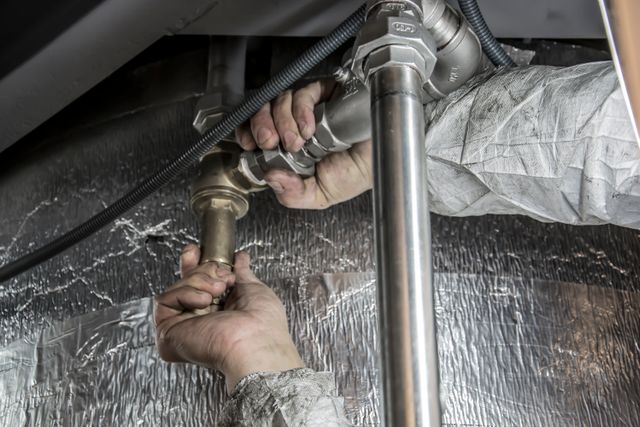
Water seepage through a wall: the usual sources
A seeping wall usually has one of three sources. The first is a leak in a pipe or fitting inside the wall, such as a concealed water pipe. The second is a wet area on the other side of the wall or above it, such as a bathroom, toilet or kitchen in your flat or a neighbour's. The third is an external wall, where rain can get in from outside.
In its tips on finding leaks, PUB lists mould, discolouration or peeling paint on walls, floors or ceilings among the signs of a leak, along with unusually high water bills and constant dripping at night when no appliances are in use.
For water coming down from the flat above, HDB says leaks through the floor slab usually come from wear and tear of the waterproof membrane and screed. HDB adds that this is common in older buildings and tends to occur in toilets and bathrooms.
Check it yourself first
These checks help you describe the problem to a plumber.
- Find where it is worst. Note where the damp wall is wettest and whether it sits next to a bathroom, kitchen or an outside wall. Look at the ceiling and floor nearby too.
- Watch the timing. Check whether the patch gets worse after showers, in your flat or upstairs, or after rain. This helps a plumber narrow down the source.
- Do the meter test. PUB says to turn off all taps and appliances that use water, then watch your water meter for at least 10 minutes. If the dial moves, there is a leak. The high water bill guide walks through this test too.
- Photograph it over a few days. Take photos from the same spot each day, after showers and after rain, so you can show your neighbour or a contractor how the patch changes.
Internal walls and leaks between flats
When wall seepage in an HDB flat seems to come from next door or upstairs, start with your neighbour. HDB says flat owners are responsible for the upkeep of their own flats, including the floor and ceiling slabs. For a leak between two flats, the owners arrange the repair and split the costs.
HDB's steps are simple. Talk to your neighbour, agree a time for a check and engage a contractor jointly. The contractor confirms the source and recommends a repair method, and then you split the cost. HDB says you negotiate the price and scope with the contractor yourselves. It also says untreated leaks may damage electrical items and cause mould growth, so neighbours should address a leak promptly.
If the damp starts at the ceiling and runs down the wall, the ceiling leak from upstairs guide covers what to do next.
Concealed pipes are another internal source. In its plumbing renovation guidelines, HDB discourages concealing waste or water pipes in floor finishes or walls, because the work may cause water leakage to the unit below if not properly done.
External walls and the roof
If the damp is on a wall that faces outside and it changes after rain, the water may be getting in through the external wall. HDB says that for external walls or the rooftop, the Town Council bears the full repair cost. For flats on the topmost floor, HDB says leaks come from the roof, which is common property, so contact the Town Council.
For other parts of the flat and block, see who maintains what in an HDB flat.
Finding the source and what it costs
Repairing or repainting a wall before the leak is found leaves the cause in place, so finding the source comes first. PUB says to always engage a licensed plumber who is qualified to detect and repair leaks. PUB's Plumbing Works page says repairing water pipes is regulated work that must be done by a PUB Licensed Plumber.
FROM THE HOMEZYPRO DIRECTORY
Published leak detection rates
For the most common unit (per job), the lowest published leak detection rates from 3 companies run from S$100 to S$250 per job (middle rate S$120), to find a concealed leak, before any repair. The middle figure is a real published rate, not an average. Each figure is one company's own advertised rate with its conditions, not a quote.
See 4 published leak detection rates and sources
| Company | Service as listed | Rate | Source |
|---|---|---|---|
| NILE Plumbing | Inspection (Leakage/Hammering) | From S$60 per visit | nileplumbingsg.com |
| Crizto Singapore Pte Ltd | Leak Detection - Apartment / Condo / HDB | S$100 per job | crizto.com |
| Home Plumbers Singapore | Detect concealed-pipe leakage in an HDB flat or condominium | From S$120 per job | homeplumbers.com.sg |
| Kiasu Plumber | Detection of water leakage in concealed pipes | From S$250 per job | kiasuplumber.com |
4 companies publish a leak detection line. Of these, 3 price it per job: their published rates run from S$100 to S$250 per job, and S$120 is the middle company's own published rate. These lines cover finding a concealed leak, before any repair. The fourth company prices an "Inspection (Leakage/Hammering)" from S$60 per visit. All figures are as printed.
If the source turns out to be waterproofing rather than a pipe, a waterproofing specialist may be needed. The comparison of a plumber or waterproofing specialist sets out the difference, and the leak detection cost guide covers pricing in more detail.
NEXT STEP
See plumbing companies in the directory with their published prices, the areas they say they cover and their sources.
Compare plumbersWhen to stop and call a professional
Call a licensed plumber or a leak repair service if:
- the damp keeps spreading or the paint starts to bubble
- water is near sockets or switches (keep away from them and call a Licensed Electrician)
- the meter still moves with every tap off
- mould keeps coming back after cleaning
You can compare plumbing companies and their published prices before you call.
Questions
Is a damp wall always a pipe leak?
No. Water can also come from a bathroom or other wet area next door or above, or from rain getting in through an external wall. HDB says leaks through the floor slab usually come from wear and tear of the waterproof membrane and screed. A licensed plumber can confirm the source before anyone repairs the wall.
Can I just repaint a damp wall?
Not until the source is fixed. PUB lists mould, discolouration and peeling paint among the signs of a leak, so fresh paint only hides them. HDB's walls guide suggests re-painting hairline cracks with a flexible sealant or elastomeric paint, but it does not cover damp. Find and fix the leak first, then repaint.
Who pays when seepage comes from next door?
The owners of the two flats share the cost. HDB says that for a leak between two flats, the owners arrange the repair and split the costs. Talk to your neighbour, agree a time for a check and engage a contractor jointly. The contractor confirms the source and recommends a repair method.
Who repairs seepage through an external wall?
HDB says the Town Council bears the full repair cost for external walls. HDB gives the same rule for the rooftop, and says that for topmost-floor leaks from the roof, which is common property, you contact the Town Council. Keep photos of the damp after rain to show when it appears.
Can wall cracks let water in?
HDB's walls guide does not say they do. HDB explains that cracks along the joints between block walls and concrete form because different materials expand and contract with temperature changes. For hairline cracks it suggests re-painting with a flexible sealant or elastomeric paint, and for wider cracks it says to engage a contractor.
Will the plumber need to hack the wall?
Not always. Leak detection comes first, and the published leak detection lines on this page describe finding a concealed leak, before any repair. Once the source is known, the plumber can explain what repair is needed. Ask how they plan to locate the leak and whether any hacking is expected before work starts.
Prices come only from the sourced company rates in the HomezyPro directory, shown with each company and its source.
Practical guidance for planning a home job in Singapore. Company prices come from the HomezyPro directory, each linked to its source; rules and safety points link to the agency or manufacturer that sets them. This is not a site inspection, a quote or professional advice for your home.
How HomezyPro worksYOUR NEXT STEP
Find the right team for your home.
Compare services, published prices and sourced reviews. Contact the company directly to confirm your job and availability.
Explore plumbing companies