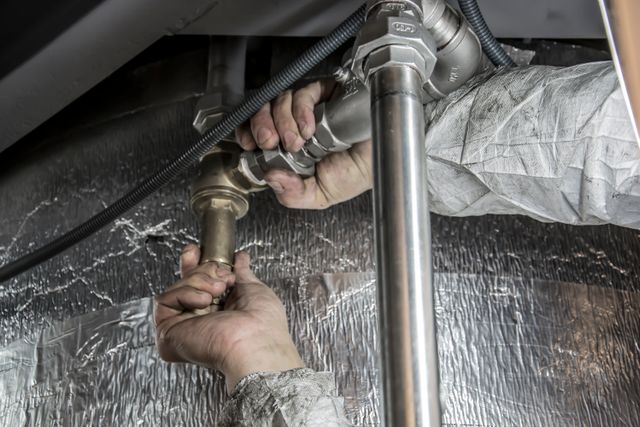
Concealed pipes vs exposed pipes at a glance
Should water pipes in a home be concealed or exposed? Conceal them where looks matter and access can be planned. Leave them exposed where quick checks count for more. A three-room HDB flat with a compact kitchen weighs this differently from a landed home being rebuilt floor by floor.
| Point | Concealed pipes | Exposed pipes |
|---|---|---|
| Looks | Hidden in walls, floor finishes or boxing | Visible along walls or ceilings |
| Finding a leak | Often first seen as damp or stains | Drips and wet joints visible directly |
| Repair work | May mean opening tiles, plaster or boxing | Usually reached without breaking finishes |
| Renovation time | Adds chasing, boxing and making good | No chasing or boxing step |
| Access later | Through planned panels or by opening up | Open to inspection at any time |
An exposed pipe renovation is not a lesser choice. If you paint surface pipes to match the wall and route them neatly, a service yard stays tidy and every joint stays in view. The downside of concealment tends to appear years later, when a joint weeps behind finished tiles.
When concealed pipes make sense
Concealing suits rooms where people notice details: a living room with a feature wall, an open kitchen facing the dining table, or a bathroom redone from bare walls. It also fits a new layout that moves a sink or basin, since the boxing can be designed in from the start.
The catch is access. Before anything is closed up, agree where the joints and valves will sit and put a removable panel at each one. A kitchen cabinet with a screwed-on back board, or a tiled panel held by screws beside a vanity, lets a contractor check a fitting without hacking.
Quotes depend on the route, the finishes involved and access. Our guide to concealed pipe replacement cost explains what shapes them.
When exposed pipes make sense
Service yards, the wall behind a washing machine and the cabinet under a sink are places where nobody minds seeing pipes, and where you spot a drip fastest. Owners refreshing an older HDB flat rather than gutting it often keep the exposed runs, because hiding them in a yard adds hacking for little visual gain.
Rental units are another case. A landlord can have a joint checked between tenants without opening a wall, and a tenant can see a drip and report it before it stains a neighbour's ceiling. Neat clips, a straight route and a coat of paint make exposed pipes look deliberate.
Which pipe material suits a surface run is a separate question. Our comparison of PPR vs copper pipes sets out the differences.
HDB and PUB rules for pipe works
If you plan to conceal HDB water pipes, start with HDB's guidelines for water and sanitary plumbing works. For concealed waste or water pipes in floor finishes or walls, HDB says the floor slab and wall must not be tampered with. It discourages such work because it may cause water leakage to the unit below if not properly done.
The same HDB page has extra points for bathrooms. The void beneath a bathtub or shower tray cannot be filled with cement mortar, weep holes must be provided, and a bathtub needs an inspection opening. Extending a toilet to fit a long bath is not allowed.
PUB's rules decide who may do the work. Its Plumbing Works page says all regulated water service and sanitary plumbing works must be done by PUB Licensed Plumbers, except the simple plumbing works that handymen may do. Installing or replacing a washbasin or sink and its bottle trap is one of those simple works. Since 2018 it has been an offence to engage a plumber not licensed by PUB for regulated works.
Our HDB plumbing renovation rules guide covers the wider picture.
Leaks behind walls
A hidden leak rarely shows itself at the source. Watch for a damp patch that never dries, stains or bubbling paint low on a wall, grout that stays dark, or a water bill that rises while your water use has not changed. In a flat, the first clue is often a neighbour reporting a wet ceiling.
HDB's pipes home care guide asks you to check pipe fittings regularly for leakages and to engage a licensed contractor where repairs are needed. It notes that leaking joints can come from usage and deterioration over time, or from pipes being hit by objects. If there is a leak, HDB says to shut the stopcock at the PUB water sub-meter to cut the water supply.
Our guide to leak detection cost explains how a leak behind tiles is found before any hacking.
NEXT STEP
See plumbing companies in the directory with their published prices, the areas they say they cover and their sources.
Compare plumbersQuestions to ask the plumber
Before you agree to a concealed run, ask the licensed plumber:
- Where will the access panels go, and which joints or valves sit behind each one?
- Will I get a drawing or marked photos of the pipe route before the walls close?
- Will you pressure test the pipes before tiling, and can I watch?
- Who hacks, re-tiles and makes good the finishes: your team or my renovation contractor?
The directory lists plumbers with their published prices, so you can ask two or three of them the same questions.
Questions
Can I conceal water pipes in an HDB flat?
HDB discourages it. Its plumbing works guidelines say the floor slab and wall must not be tampered with for concealed waste or water pipes. They also warn that work not properly done may cause water leakage to the unit below. If you still go ahead, keep the work within those limits and plan access points.
Are concealed pipes more likely to leak?
Not necessarily, but their leaks are harder to see and reach. HDB's pipes guide says leaking joints can come from usage and deterioration over time or from pipes being hit by objects. Hidden pipes are out of reach of knocks, but a slow weep behind tiles can go unnoticed until stains appear.
How do you find a leak in a concealed pipe?
Look for the signs first, then use leak detection before any hacking. Damp patches, stains, dark grout and a rising water bill point to the area. A specialist can then narrow down the spot, so less of the finish has to come off.
Can a handyman reroute water pipes?
No. PUB lets handymen do only its simple plumbing works, such as installing or replacing a washbasin or sink and its bottle trap, and rerouting pipes is not on that list. Other water service and sanitary plumbing works need a PUB Licensed Plumber. Since 2018 it has been an offence to engage a plumber not licensed by PUB for regulated works.
Should I leave an access panel?
Yes, wherever a concealed joint or valve sits. This is practical advice, not a general rule. A screwed panel or removable cabinet back lets a contractor check fittings without breaking tiles. For bathtubs, HDB does need an inspection opening, so plan that one into the bathroom design.
Can old exposed pipes be boxed in later?
Often, yes. Boxing with board or carpentry hides surface pipes without chasing into the wall. Keep removable sections at joints and valves and leave enough space to reach the fittings. Ask your contractor or HDB about anything that touches the wall or floor slab.
Practical guidance for planning a home job in Singapore. Company prices come from the HomezyPro directory, each linked to its source; rules and safety points link to the agency or manufacturer that sets them. This is not a site inspection, a quote or professional advice for your home.
How HomezyPro worksYOUR NEXT STEP
Find the right team for your home.
Compare services, published prices and sourced reviews. Contact the company directly to confirm your job and availability.
Explore plumbing companies