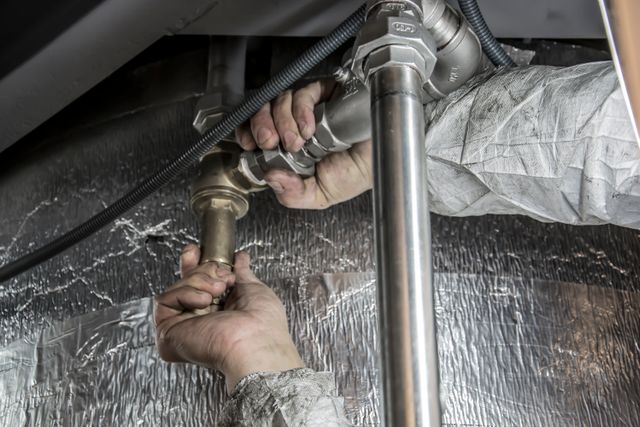
Geberit concealed cistern repair: how it is built
To fix a running or weak concealed cistern, work through the opening behind the flush plate. Take the plate off and find the fill valve, which lets water in, and the flush valve, which lets it out. Then work out which one is misbehaving before you buy anything.
GROHE says its concealed frames keep the cistern, drain and pipes hidden behind the wall, operated by a flush plate. It also says its powder-coated steel frames are TUV-approved to support up to 400 kg. That is GROHE's claim for its own frames, not a claim about every wall-hung toilet.
Geberit describes the same layout: the cistern sits behind the wall with a flush plate, or actuator plate, on the front, and each plate is matched to a cistern series. If you are still choosing a toilet for a BTO or condo renovation, see wall-hung vs floor toilet.
| Symptom | Where to look first |
|---|---|
| Water trickles into the bowl between flushes | Flush valve seal |
| Cistern keeps filling or hissing | Fill valve |
| Flush is weak or short | Fill level, stop valve, scale |
| Button sticks or does nothing | Plate actuators and rods |
Concealed cistern leaking or running
A concealed cistern leaking into the bowl is easy to miss because there is no tank lid to lift. Look for a thin ripple at the back of the bowl, a faint hiss at night or a refill when nobody has flushed.
PUB suggests leak detection tablets. Drop one tablet into the cistern tank, put the lid back, wait 10 to 20 minutes without flushing and check the bowl. If the water turns blue, there is a leak, and PUB says to call a licensed plumber to fix or replace the flushing cistern. On a concealed unit, drop the tablet in through the plate opening and refit the plate. If you have no tablet, a few drops of food colouring work the same way.
If colour shows in the bowl, the flush valve seal is the likely cause. If the bowl water stays clear but the cistern keeps filling, look at the fill valve. HDB lists overflow fixes such as adjusting the water level screw. It also says to engage a plumber if your flushing system is different from its illustrations. For general steps, see toilet keeps running.
Weak flush
A weak flush usually means there is too little water in the cistern or the water arrives too slowly. Check three things:
- Fill level. If the water stops low in the cistern, the flush has less to push with.
- Stop valve. A stop valve left partly closed after renovation works also slows refilling.
- Scale. Mineral build-up can narrow the fill valve inlet and stiffen moving parts.
For causes outside the cistern, see toilet flush weak.
Geberit flush plate stuck
A button that stays pressed in, or one that clicks without flushing, usually points to the linkage. Behind the plate, actuators or rods pass the push of the button to the flush valve. If a rod has slipped, bent or been set to the wrong length, it can jam the button or miss the valve.
Dirt is the other usual suspect. In a well-used bathroom, soap residue, dust and grit build up around the button edges until the button drags.
Remove the plate slowly. Plates are held in different ways, and forcing one can crack the plate or snap a rod, so check the maker's instructions for your plate model first. Lay the plate face down on a towel and press each button. A wipe around the edges may free it. A broken rod or actuator needs the matching part.
Spare parts and model
Geberit says it keeps spare parts for its concealed cisterns available for 50 years, excluding some electronic components. It also says its flushing systems are tested with a minimum of 200,000 flushes and refills. Both are Geberit's own statements about its own products.
Long availability only helps if you order the right part. Identify the cistern series before you buy a fill valve, flush valve or plate, because a part made for one series may not fit another. If you bought a resale flat and the previous owner left no paperwork, start with photos of the opening and the back of the plate.
Quotes depend on the part and on how much access the job needs. The toilet cistern repair cost guide covers pricing.
NEXT STEP
See plumbing companies in the directory with their published prices, the areas they say they cover and their sources.
Compare plumbersWhen to call a plumber
Call a licensed plumber if water shows at the base of the wall, the grout near the toilet stays damp or stained, or you can hear a leak behind the tiles away from the plate opening. Moving the bowl is sanitary plumbing work, not a part swap.
PUB says all regulated water service and sanitary plumbing works must be done by PUB Licensed Plumbers, except the simple plumbing works handymen may do. Since 2018 it has been an offence to engage a plumber not licensed by PUB for regulated works. To see where that line sits, read what needs a licensed plumber.
To find help, browse companies offering toilet repair. Ask whether they work on concealed cisterns and can source parts for your series.
Questions
Can I open a concealed cistern myself?
Yes, you can usually remove the flush plate yourself to look inside. Check the maker's instructions for your plate model, lift the plate off gently and keep track of the rods. Looking inside, cleaning around the buttons and running a dye test are simple jobs. If a valve needs replacing and you are unsure, call a licensed plumber.
Why does my concealed cistern fill slowly?
Usually because too little water is reaching it. Common causes are a stop valve left partly closed, scale in the fill valve or a worn washer. HDB lists slow fill among cistern problems, with fixes such as replacing a worn washer. It says to engage a plumber if your flushing system is different from its illustrations.
Do I need to break tiles to fix a concealed cistern?
Usually not. Concealed systems are designed to be reached through the flush plate opening, so most repairs to the fill valve, flush valve or plate linkage should need no tile work. The tiles may need to come off if water is leaking from pipework further inside the wall. A plumber can trace the leak first.
Can I change the flush plate design?
Often, yes, as long as the new plate suits your cistern. Geberit says its plates are matched to the cistern series, so a plate made for another series may not fit. Confirm your series first, then choose from the plates made for it. A supplier can check from photos.
How do I find my Geberit model?
Look behind the flush plate. Remove the plate, look for a label or printed markings inside the opening, and photograph the cistern, the actuators and the back of the plate. If you have renovation paperwork, the invoice may name the series. If not, a supplier or plumber can often identify it from clear photos.
Is water leaking into the wall an emergency?
Yes, treat it as urgent. Water behind tiles can spread where you cannot see it and may reach the unit below in an HDB flat or condo. Close the stop valve feeding the toilet if you can reach it safely, stop using the toilet and call a licensed plumber. Keep away from anything electrical that is wet.
Practical guidance for planning a home job in Singapore. Company prices come from the HomezyPro directory, each linked to its source; rules and safety points link to the agency or manufacturer that sets them. This is not a site inspection, a quote or professional advice for your home.
How HomezyPro worksYOUR NEXT STEP
Find the right team for your home.
Compare services, published prices and sourced reviews. Contact the company directly to confirm your job and availability.
Explore plumbing companies