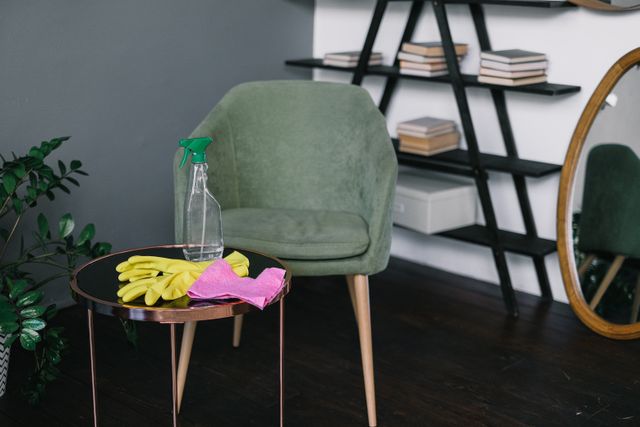
How to disinfect a home after COVID, flu or another illness
After someone at home has been ill, the National Environment Agency (NEA) says to clean and disinfect the home as frequently as possible. Its guidelines for cleaning and disinfecting residences list the high-touch surfaces to cover: chairs, tabletops, keyboards, computer mice, tablets, doorknobs, switches and floors, as well as toilets and shower facilities.
Treat each of those surfaces in two passes: clean it first, then disinfect it. The order matters across the home too, so this guide follows the sequence in NEA's guidelines, starting with waste and laundry and ending with a second pass on the floor.
Recommendations vary from one infectious disease to another, so NEA says to always follow its disease-specific guidelines as well as the general ones. If you need to disinfect after flu or another infection, check NEA's website for guidance on that illness before you start, and use the steps below alongside it.
While the person is still unwell, avoid sharing dishes, cups, utensils and bedding with them. Wash these items with soap and water after use.
Get ready
NEA lists the minimum protective equipment for cleaning premises after an illness: disposable gloves, a face mask (a surgical mask, or an N95 or equivalent) and a change of clothes. Put the gloves and mask on before you begin, and change your clothes when you finish.
You will also need:
- A household disinfectant, with its label to hand
- Clean cloths, a mop and a bucket
- Rubbish bags for waste and used gloves
Let fresh air in. NEA recommends ventilating the home, especially during and after cleaning and disinfection, to reduce the concentration of disinfection products in the air. Open the windows before you start and leave them open after you finish.
Prepare the disinfectant according to the manufacturer's guidelines, and read the whole label first. NEA also asks you to use the protective equipment that the product's Safety Data Sheet prescribes, so if it calls for more than gloves and a mask, follow it.
Clean and disinfect, step by step
NEA's guidelines set out an order of work for cleaning a home where someone has been ill. The six steps below follow that order, so you can disinfect home after illness without skipping a job. Keep your gloves and mask on throughout.
- Contain the general waste. Bag tissues and other rubbish from the sick person's room, and tie each bag before you move on.
- Strip and wash the laundry. Remove bed sheets, pillow covers, blankets and contaminated clothes without shaking them. Wash them in a standard washing machine with hot water, over 60 degrees C, and detergent.
- Mop the floor once. Mop with disinfectant instead of sweeping or dusting. If you vacuum, use only a vacuum with a high-efficiency particulate air (HEPA) filter.
- Disinfect hard surfaces. Spray disinfectant onto a cloth rather than onto the surface, wipe from clean to dirty areas, and leave it for the contact time the label recommends. Rinse or change the cloth between surfaces.
- Wash the dishes. Wash the dishes, cups and utensils the sick person used with soap and water.
- Finish with upholstery, the floor and the waste. Clean upholstered furniture, then mop the floor a second time and let it air dry. Seal the rubbish bags and dispose of them with your used gloves.
Once everyone has recovered, you can use our deep cleaning checklist for a fuller clean of the rest of the home.
Floors and bathrooms
NEA says to avoid sweeping or dusting floors. Mop them with disinfectant and let them air dry, and use a vacuum only if it has a HEPA filter.
Bathrooms need a set direction. NEA's guidelines say to clean from high to low, from the walls down to the floor, and from cleaner to dirtier areas, from the shower to the toilet bowl. In practice, start with the shower walls, work across to the toilet bowl and finish with the floor.
If you spot mould on grout or silicone while you clean, our guide on how to remove bathroom mould covers that job separately.
NEXT STEP
See home cleaning companies with their published prices, the areas they say they cover and their sources.
Compare cleaning companiesChoosing a disinfectant, and when to hire help
NEA's list of active ingredients for general disinfection comes with points to follow whichever product you choose. Check the label, use the product according to its instructions and be aware of its potential hazards. Avoid contact with your eyes and skin, keep products away from children, do not mix different disinfectant products, and use them in a well-ventilated area.
Household bleach (sodium hypochlorite) is the most widely used disinfectant, according to NEA's guidelines, and NEA's list places sodium hypochlorite under active chlorine. Follow the label for how to dilute and apply it. Never mix bleach with acid-based cleaners or ammonia. Our guide on mixing cleaning products explains the risks of combining them.
You can do all of this yourself. If you would rather hand it over, for example because everyone at home is still recovering, look at home disinfection services.
You can also browse cleaning companies with their published prices. The price depends on the job, so ask what the visit includes and which disinfectant the company uses.
Questions
Should I clean or disinfect first?
Clean first, then disinfect. NEA's guidelines put cleaning before disinfection, so wipe visible dirt off a surface before you apply the disinfectant. Then leave the disinfectant on for the contact time the label gives, and rinse or change your cloth before you move to the next surface.
Can I wash the sick person's clothes with the rest?
Yes, if everything in the load can take a hot wash. NEA's guidelines say to wash bedding and contaminated clothes in a standard washing machine with hot water, over 60 degrees C, and detergent. Do not shake the items before washing, and check the care labels on anything else you add to the load.
How long should disinfectant stay on a surface?
As long as the product label says. NEA's guidelines ask you to leave a disinfectant on for the contact time the manufacturer recommends. Read the label before you start, and do not wipe the surface dry before that time is up. If the label is unclear, ask the maker.
Is a steam mop enough?
Not on its own for hard floors. For hard floors, NEA's guidelines say to mop with disinfectant and let the floor air dry. NEA suggests steam-cleaning for carpets, rugs and mats soiled by bodily fluids, so a steamer is suited to those. Avoid sweeping or dusting either way.
Should I spray disinfectant into the air?
No. NEA's guidelines say to spray disinfectant onto a cloth rather than directly onto surfaces, to avoid splashes, and then wipe from clean to dirty areas. For the air itself, open the windows: NEA recommends ventilating the home during and after cleaning to reduce the concentration of disinfection products in the air.
Do I need a professional disinfection service?
No, it is optional. You can follow the steps on this page yourself with gloves, a mask and a suitable disinfectant. If you would rather hand the job over, ask the company which disinfectant it uses, whether it follows the label's contact time and what you need to do before the visit. The price depends on the job, so compare home cleaning prices first.
Practical guidance for planning a home job in Singapore. Company prices come from the HomezyPro directory, each linked to its source; rules and safety points link to the agency or manufacturer that sets them. This is not a site inspection, a quote or professional advice for your home.
How HomezyPro worksYOUR NEXT STEP
Find the right team for your home.
Compare services, published prices and sourced reviews. Contact the company directly to confirm your job and availability.
Explore home cleaning companies